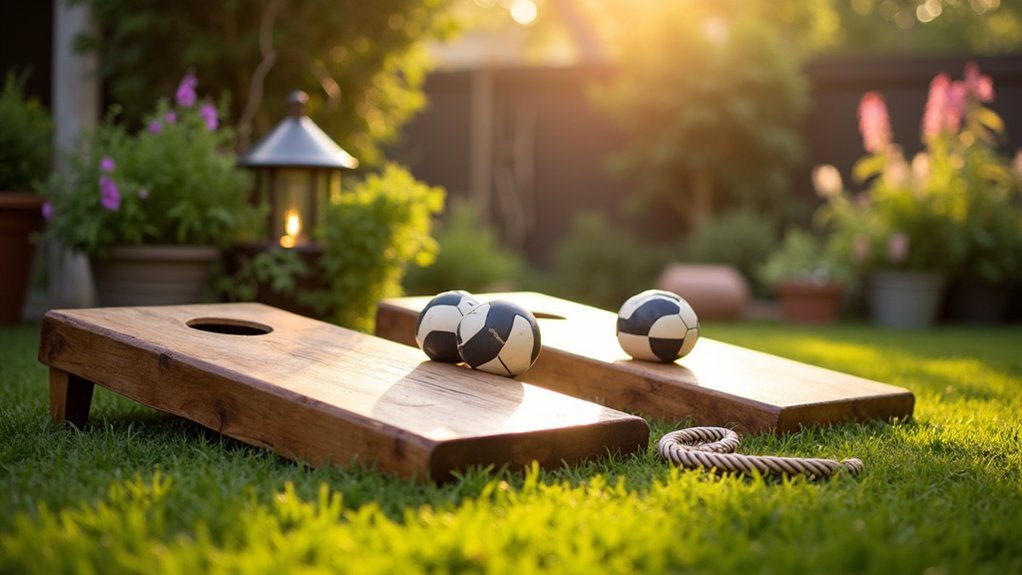
When you choose sustainable materials for garden games, you’re cutting your environmental footprint while getting equipment that lasts five to ten years longer than conventional plastic. Bamboo, recycled plastics, and FSC-certified woods resist weathering, UV damage, and moisture without the chemical treatments found in standard options. You’ll also avoid exposing your family to lead-based paints and phthalates. From certification benefits to maintenance tips, there’s plenty more to explore below.
Environmental Benefits of Eco-Friendly Garden Game Materials
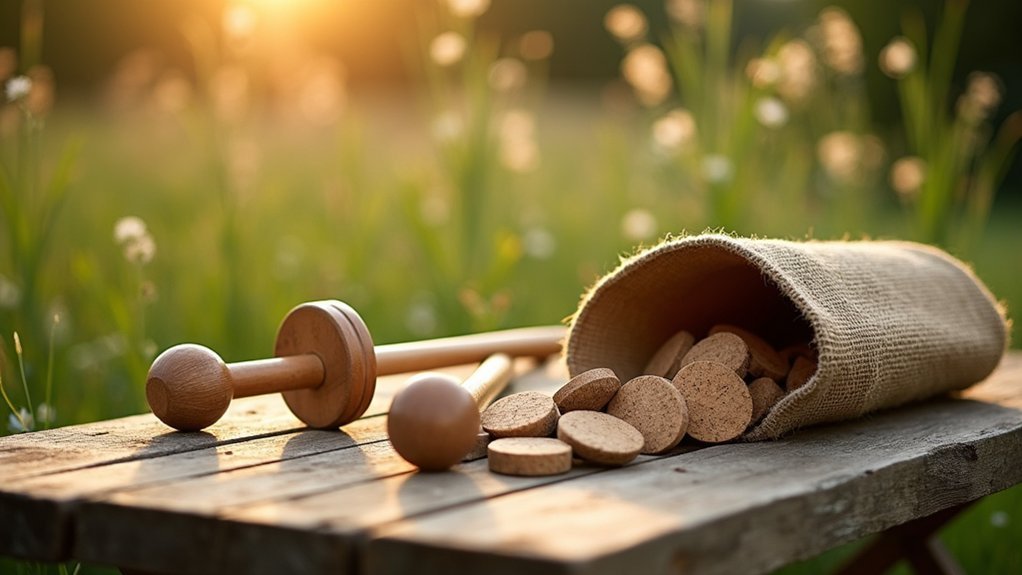
When you choose eco-friendly materials for your garden games, you’re directly reducing the environmental footprint of your outdoor entertainment.
Choosing eco-friendly garden games means smaller footprints on the planet while making bigger memories outdoors.
Sustainable options like bamboo, reclaimed wood, and recycled plastics require fewer natural resources to produce and generate less pollution during manufacturing.
These materials break down more responsibly at the end of their lifecycle.
Unlike conventional plastics that persist in landfills for centuries, biodegradable alternatives return to the earth without releasing harmful toxins into soil and groundwater.
You’ll also support responsible forestry practices when you select certified sustainable wood products.
This helps preserve natural habitats and maintains biodiversity in forest ecosystems.
Understanding Different Types of Sustainable Materials for Outdoor Games
When you’re shopping for sustainable garden games, you’ll encounter several eco-friendly material categories worth exploring.
Bamboo and responsibly sourced wood offer durability and natural beauty, while recycled plastic alternatives give new life to waste materials without sacrificing performance.
Natural fiber choices, including hemp and organic cotton, round out your options for ropes, nets, and carrying bags.
Bamboo and Wood Options
Bamboo and wood stand out as top choices for eco-friendly garden games because they’re renewable, biodegradable, and naturally beautiful.
You’ll find these materials in everything from croquet sets to giant Jenga towers, offering durability that rivals plastic alternatives.
When you choose bamboo, you’re selecting one of the fastest-growing plants on Earth.
It reaches maturity in just three to five years, making it incredibly sustainable.
Hardwoods like beech, maple, and oak provide exceptional longevity for games you’ll pass down through generations.
- Smooth, hand-sanded wooden bowling pins catching afternoon sunlight
- Golden bamboo ring toss stakes anchored in fresh grass
- Polished maple dominoes clicking together on a picnic table
- Weathered oak ladder golf frames standing ready for play
- Natural grain patterns swirling across handcrafted chess pieces
Recycled Plastic Alternatives
While natural materials like bamboo and wood offer excellent sustainability, recycled plastic alternatives deserve attention for their unique advantages in outdoor play. You’ll find these materials made from post-consumer waste like milk jugs, detergent bottles, and discarded toys that would otherwise end up in landfills.
Recycled plastic garden games resist moisture, insects, and rot without requiring chemical treatments. You won’t need to seal or refinish them seasonally, saving you time and maintenance costs. They’re also lightweight, making setup and storage effortless.
When shopping for recycled plastic options, look for products containing high-density polyethylene (HDPE) or polypropylene. These plastics maintain structural integrity through years of sun exposure and temperature fluctuations. You’re fundamentally giving plastic waste a second life while enjoying durable equipment that lasts decades.
Natural Fiber Choices
Because natural fibers come from renewable plant sources, they offer an eco-friendly alternative that biodegrades at the end of its useful life.
When you’re selecting materials for garden games, you’ll find that natural fibers provide durability while minimizing environmental impact.
You can choose from several excellent options:
- Hemp rope for tug-of-war games and ring toss sets
- Jute netting for badminton and volleyball setups
- Cotton canvas for bean bag covers and target games
- Bamboo poles for croquet mallets and limbo sticks
- Sisal twine for securing game components and boundaries
These materials withstand outdoor conditions remarkably well.
They won’t release microplastics into your soil, and when they eventually wear out, you can compost them.
You’re investing in both quality gameplay and planetary health.
How Bamboo Transforms Backyard Entertainment Equipment
Reaching for a croquet mallet or cornhole board made from bamboo, you’ll immediately notice the difference this remarkable grass brings to outdoor recreation. The material’s natural strength-to-weight ratio outperforms traditional hardwoods, giving you equipment that’s both durable and easy to handle.
Bamboo grows up to three feet daily, making it one of Earth’s most renewable resources. When you choose bamboo garden games, you’re selecting materials that regenerate in three to five years rather than decades.
The dense fiber structure resists warping from humidity and temperature changes, so your lawn bowling sets and giant Jenga blocks maintain their precision through countless seasons. You’ll also appreciate bamboo’s natural resistance to pests and decay, eliminating the need for chemical treatments that could harm your garden ecosystem.
Recycled Plastic Options for Durable Lawn Games
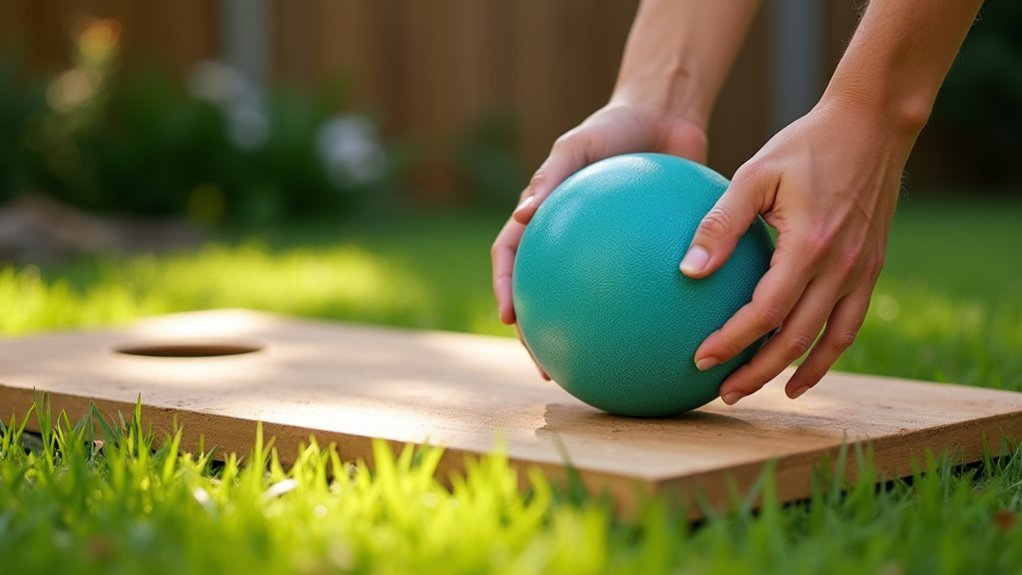
When you’re shopping for eco-friendly lawn games, recycled plastic stands out as a remarkably durable and weather-resistant option.
You’ll find that materials made from post-consumer plastics resist cracking, fading, and moisture damage far better than traditional wood alternatives.
From bocce ball sets to horseshoe games, recycled plastic versions offer the same classic fun while keeping waste out of landfills.
Benefits of Recycled Plastic
Durability stands out as one of the most compelling reasons to choose recycled plastic for your lawn games. You’ll find these materials withstand harsh weather conditions, resist cracking, and maintain their vibrant colors season after season.
Unlike traditional wood that rots or metal that rusts, recycled plastic requires minimal maintenance while lasting for decades.
When you invest in recycled plastic lawn games, you’re also reducing landfill waste and decreasing demand for virgin petroleum-based plastics.
- Colorful cornhole boards gleaming after a summer rainstorm
- Giant chess pieces standing firm through winter frost
- Bocce balls rolling smoothly across dewy morning grass
- Ring toss stakes remaining sturdy despite constant outdoor exposure
- Croquet mallets keeping their shape through countless backyard tournaments
You’re making an environmentally responsible choice without sacrificing quality or playability.
Popular Recycled Game Types
Recycled plastic lawn games come in dozens of varieties that’ll transform your backyard into an entertainment hub. You’ll find classic favorites like cornhole boards, ring toss sets, and giant Connect Four towers all crafted from post-consumer materials.
Bocce ball sets made from recycled plastics offer the same weight and feel as traditional versions while diverting waste from landfills. You can also choose croquet sets, horseshoe games, and oversized checkers that withstand harsh weather conditions.
Giant Jenga-style stacking games and ladder golf sets rank among the most sought-after recycled options. These products resist fading, cracking, and moisture damage better than their wooden counterparts.
When you’re shopping, look for manufacturers that specify their recycled content percentage—many quality sets contain 80% or more post-consumer plastic.
Natural Wood Alternatives That Protect Forest Resources
Although traditional hardwoods like teak and mahogany have long dominated the outdoor game market, you’ll find excellent alternatives that don’t contribute to deforestation.
Sustainable wood alternatives deliver the durability of traditional hardwoods without sacrificing our planet’s precious old-growth forests.
Bamboo grows incredibly fast—up to three feet daily—making it a renewable choice for croquet mallets and lawn dice. FSC-certified pine and birch come from responsibly managed forests where replanting is mandatory.
You can also explore these sustainable options:
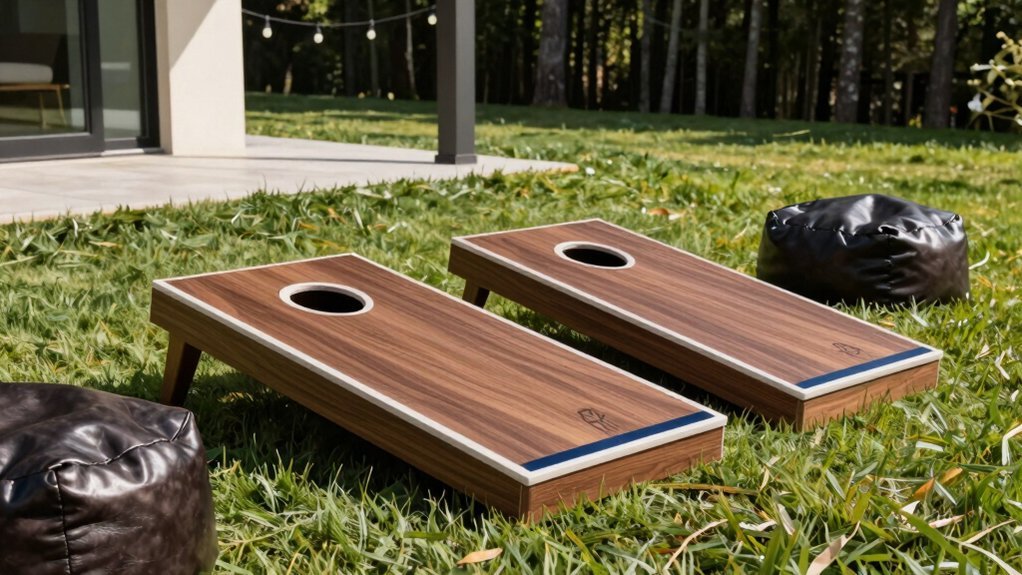
- Reclaimed barn wood transformed into rustic cornhole boards
- Cork composite creating lightweight, water-resistant bocce balls
- Hemlock harvested from certified sustainable sources for giant Jenga blocks
- Rubberwood repurposed from retired rubber trees for chess pieces
- Paulownia known as the “aluminum of timber” for its strength-to-weight ratio
These materials perform exceptionally well outdoors while preserving old-growth forests for future generations.
The Role of Hemp and Organic Cotton in Garden Game Accessories
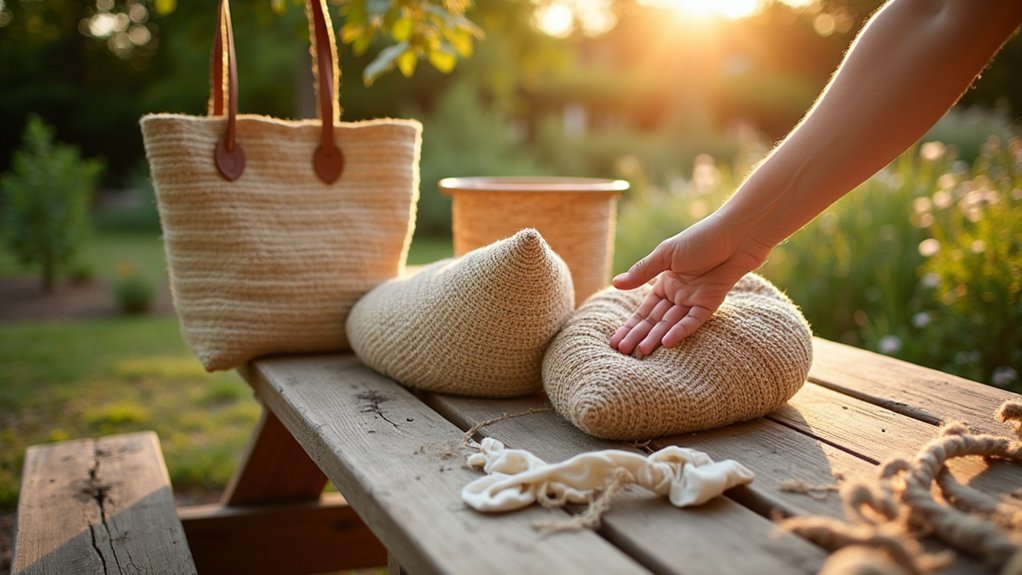
When you’re choosing materials for garden game accessories like carrying bags, nets, or rope elements, hemp and organic cotton offer compelling sustainable options.
Hemp stands out for its exceptional durability in outdoor conditions, resisting mold, UV damage, and wear far longer than conventional fabrics.
Organic cotton provides a softer touch while eliminating the pesticides and chemicals that make traditional cotton production environmentally harmful, and comparing these materials helps you select the right fiber for each specific garden game application.
Hemp’s Durability Outdoors
Hemp stands out as one of the most resilient natural fibers you’ll find for outdoor garden game accessories. Unlike synthetic alternatives, hemp actually grows stronger when exposed to moisture, making it perfect for unpredictable weather conditions. You’ll notice hemp ropes, bags, and carrying cases resist mold and mildew naturally, extending their lifespan markedly.
- Thick hemp rope handles weathering summer sun without fraying or fading
- Woven hemp storage bags keeping wooden game pieces dry during sudden rain showers
- Natural fiber nets stretching across lawn games, maintaining tension through seasons
- Sturdy hemp drawstring pouches protecting bocce balls from scratches
- Braided hemp boundaries marking croquet courses across dewy morning grass
You’re investing in materials that withstand years of outdoor play while breaking down harmlessly when their useful life ends.
Organic Cotton Benefits
Comfort defines the organic cotton experience in garden game accessories, offering a softness that synthetic materials simply can’t match.
When you’re gripping a bean bag or handling game pieces for hours, you’ll notice the difference immediately. Organic cotton feels gentle against your skin while remaining surprisingly durable.
You’re also making an environmental choice that matters. Organic cotton farming uses 91% less water than conventional methods and eliminates toxic pesticides from the equation.
Your garden game accessories won’t leach harmful chemicals into the soil when left outdoors.
The material breathes naturally, preventing moisture buildup during warm-weather play. It’s machine washable, so maintaining your accessories stays simple.
Over time, organic cotton actually softens further without losing structural integrity, making your investment worthwhile for seasons of outdoor entertainment.
Eco-Friendly Material Comparisons
While organic cotton delivers solid sustainability, hemp emerges as an equally strong contender for garden game accessories.
You’ll find hemp requires 50% less water than cotton and grows without pesticides. Both materials break down naturally, leaving no trace in landfills.
When you’re choosing between these options, consider your specific needs:
- Hemp rope handles that withstand rough outdoor play and resist mold
- Organic cotton storage bags that feel soft against your hands
- Hemp netting for lawn games that won’t stretch or deteriorate in rain
- Cotton drawstring pouches that keep game pieces organized
- Hemp canvas carrying cases that develop character with age
You can mix both materials in your garden game collection. Hemp handles durability, while organic cotton excels in comfort-focused accessories.
Cost Comparison Between Traditional and Sustainable Game Materials
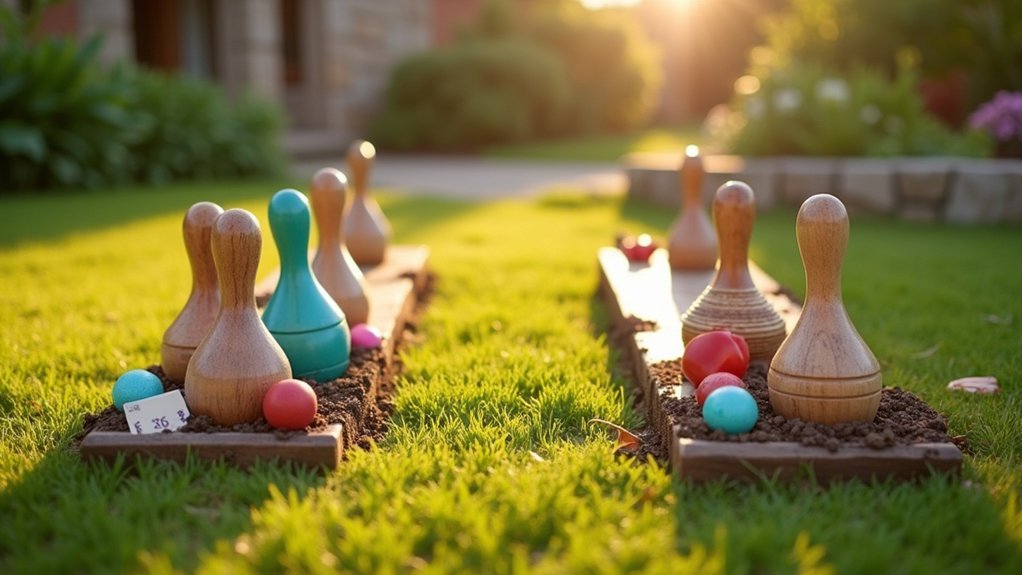
When you’re shopping for garden games, sustainable materials often carry higher upfront costs than their traditional counterparts. A bamboo croquet set might cost 30-50% more than a plastic version, while recycled rubber horseshoes typically run 20-40% higher than synthetic alternatives.
However, you’ll find the long-term economics tell a different story. Sustainable materials generally last longer, reducing replacement frequency. That bamboo set can outlast plastic by five to ten years with proper care. You’re also avoiding hidden costs like environmental cleanup and health impacts associated with conventional manufacturing.
Consider your total cost of ownership rather than sticker price alone. When you factor in durability, maintenance needs, and eventual disposal, sustainable options frequently match or beat traditional materials over their lifetime.
Longevity and Durability of Eco-Conscious Outdoor Equipment
Because eco-conscious materials undergo rigorous testing before reaching consumers, you’ll often find they outperform traditional options in real-world conditions. Bamboo, recycled plastics, and FSC-certified woods resist weathering, UV damage, and moisture better than many conventional alternatives.
You’re investing in equipment that won’t crack after one season or fade under summer sun. These materials maintain structural integrity through temperature fluctuations and heavy use.
- Bamboo cornhole boards weathering a decade of backyard tournaments
- Recycled plastic bocce balls gleaming after countless games on wet grass
- Hemp rope ladder toss sets swaying strong through gusty afternoons
- Reclaimed wood giant Jenga blocks stacking tall despite rain exposure
- Natural rubber horseshoes gripping the soil without degrading
Your sustainable garden games become lasting fixtures rather than disposable entertainment.
Safety Advantages of Chemical-Free Game Materials for Families
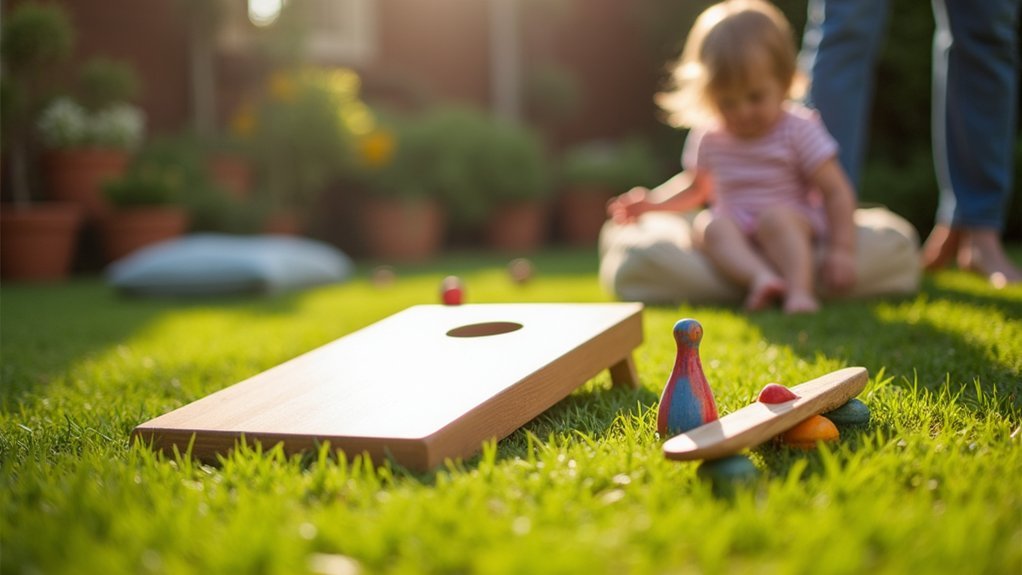
Choosing chemical-free game materials means your family avoids exposure to the harmful substances often lurking in conventional outdoor equipment. Traditional garden games frequently contain lead-based paints, phthalates, and formaldehyde-laden finishes that can leach onto hands during play. Children, who naturally touch their faces and mouths, face the greatest risk from these toxins.
When you select natural wood, organic cotton, or plant-based finishes, you eliminate these concerns entirely. Your kids can toss bean bags, roll bocce balls, and handle croquet mallets without absorbing dangerous chemicals through their skin.
Chemical-free materials also benefit family members with allergies or sensitivities. Synthetic coatings and treated plastics often trigger reactions that natural alternatives don’t. You’re creating a safer play environment while teaching your children that healthier choices exist for everyday activities.
Supporting Ethical Manufacturers in the Garden Game Industry
Beyond the materials themselves, the companies you buy from matter just as much for creating a truly sustainable garden game collection. When you support ethical manufacturers, you’re voting with your wallet for better industry practices.
Sustainable garden games start with conscious choices—every purchase supports the practices you want to see thrive.
Look for companies that demonstrate:
- Fair wages and safe working conditions for craftspeople
- Transparent supply chains you can trace from forest to finished product
- Carbon-neutral shipping and minimal packaging waste
- Reinvestment in reforestation or environmental restoration projects
- Third-party certifications like B Corp or Fair Trade
You’ll find these manufacturers often produce higher-quality games that last generations. They’re invested in their reputation and stand behind their products.
Practical Tips for Maintaining Your Sustainable Lawn Games
Regularly caring for your sustainable lawn games extends their lifespan and keeps them out of landfills for decades.
Store wooden pieces indoors during harsh weather to prevent warping and cracking. Apply natural linseed oil annually to maintain wood’s moisture resistance and prevent splintering.
Clean bamboo and wooden equipment with a damp cloth rather than soaking them. Dry thoroughly before storage to prevent mold growth.
For recycled plastic components, wash with mild soap and water, avoiding harsh chemicals that degrade materials over time.
Inspect metal hardware seasonally for rust, treating spots immediately with natural rust removers. Replace worn natural fiber ropes before they fray completely.
Store games in breathable cotton bags rather than plastic containers, which trap moisture. These simple practices maximize your investment while honoring your environmental commitment.
Frequently Asked Questions
Can Sustainable Garden Games Be Recycled Again at the End of Their Lifespan?
Yes, you can recycle many sustainable garden games again once they’ve reached the end of their lifespan. You’ll want to check the specific materials used, as bamboo, recycled plastic, and untreated wood typically offer excellent recyclability options.
Are Sustainable Garden Games Available in as Many Varieties as Traditional Options?
You’ll find sustainable garden games in nearly as many varieties as traditional options. Manufacturers now offer eco-friendly versions of classics like croquet, cornhole, and giant Jenga, plus you’ll discover innovative new designs regularly.
Do Sustainable Materials Affect the Weight and Portability of Garden Games?
Yes, sustainable materials can affect weight and portability. You’ll find bamboo and recycled plastic options are often lighter than traditional hardwoods, making them easier to carry and store for your outdoor gatherings.
Where Can I Find Certified Sustainable Garden Games in Local Stores?
You’ll find certified sustainable garden games at eco-friendly retailers like REI, local outdoor specialty shops, and farmers’ markets. Check store websites for sustainability certifications, or ask staff about their eco-conscious product selections.
Can I Convert My Existing Traditional Garden Games Into More Eco-Friendly Versions?
You can absolutely convert your traditional garden games into eco-friendly versions. Replace plastic pieces with wooden alternatives, use natural fiber ropes, repaint with non-toxic finishes, and repurpose reclaimed materials for damaged components.

Leave a Reply