
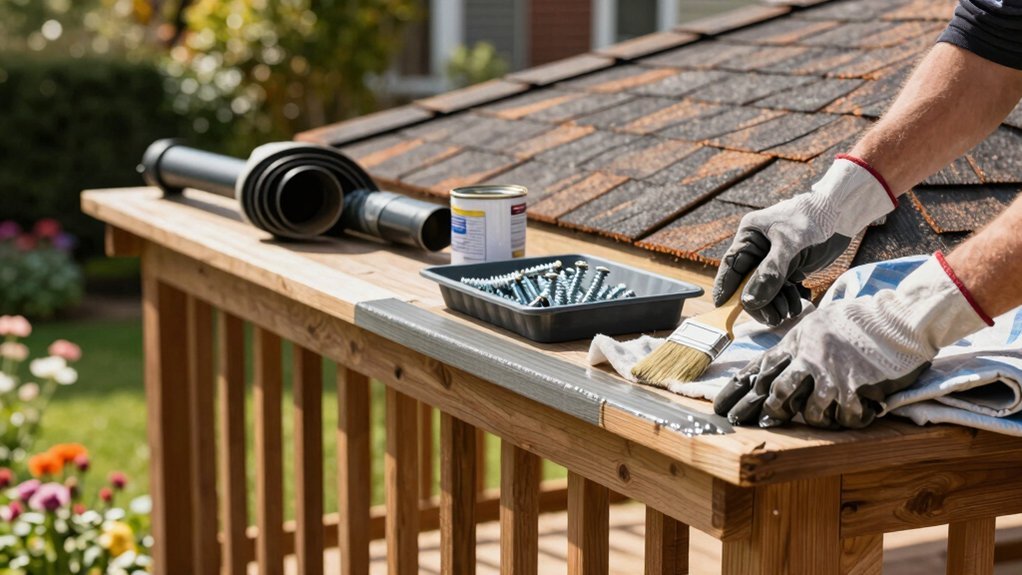
You’ll keep your gazebo solid and weather-ready by implementing a proactive routine. Start with regular inspections for structural integrity twice a year and after severe weather, tightening screws and addressing cracks or loose joints. Clean and protect wood surfaces with mild soap, dry thoroughly, then apply UV-protective finishes annually. Weatherproof seams and seals, check the roof and gutters, and clear debris. Watch for pests and moisture, and plan seasonal maintenance ahead—you’ll unveil more tips soon.
Our Recommended Products on Amazon


As an Amazon Associate we earn from qualifying purchases.
Regular Inspections for Structural Integrity
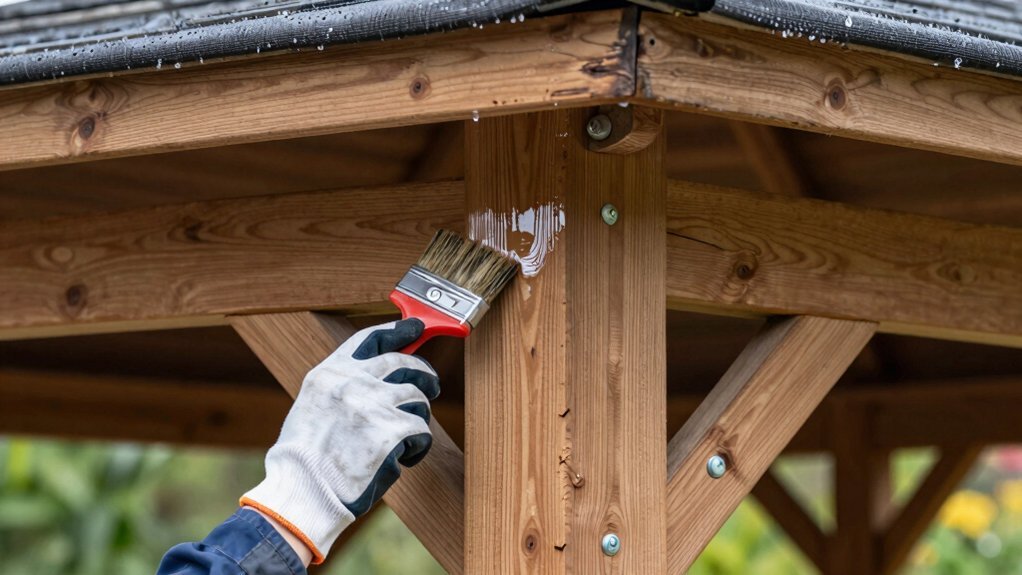
Regular inspections are your first line of defense against structural failure. You should scan for cracks in the wood, missing nails or loose joints, and ensure the roof and foundation stay stable so issues don’t progress. Schedule checks twice yearly, or right after severe weather, to catch damage early and preserve safety. During each tour, tighten screws, bolts, and nuts to maintain alignment and reduce movement in joints. Ensure you’re not missing early warning signs and that fasteners still hold tight.
Look for signs of pest damage, mold, and moisture intrusion, and address problems promptly. Keep a simple log of wear and required repairs from every inspection to track long-term safety and stability. This record helps you plan future upgrades and budget needs accurately.
Cleaning and Protecting Wood Surfaces
After your inspections, it’s time to clean and protect the wood. Start by washing surfaces with a mild soap and water solution and a brush to lift dirt, mildew, and debris. Rinse thoroughly to prevent soap residue from attracting more grime. Once dry, apply a protective finish with UV protection—stain, paint, or sealant—and reapply annually or as the product recommends to guard against sun damage and moisture. During routine maintenance, inspect for cracks, rot, and insect damage, and address issues promptly to prevent progression.
For wooden gazebos, choose a clear or tinted waterproof sealant to preserve the wood grain while boosting moisture resistance. Before finishing, ensure the wood is clean and dry, then apply sealant or stain to all surfaces, including trim and joints.
Weatherproofing Techniques and Sealing
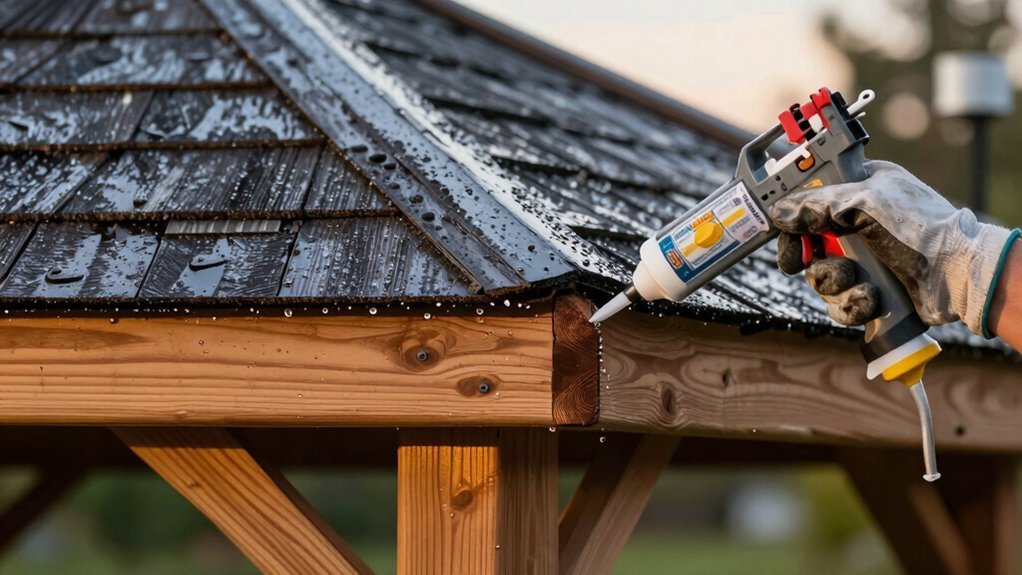
How can you weatherproof a gazebo effectively? Start with a UV‑protective finish on your wood surfaces, like stain, paint, or sealant, and reapply annually or as the product recommends to keep color and moisture resistance intact. Add weather stripping on doors and windows, and consider a gazebo cover when it isn’t in use to cut water intrusion and drafts. Regularly inspect for leaks or instability in components, and address issues promptly to prevent bigger damage. Clean surfaces with mild soap and water using a soft-bristled brush, rinse well, and skip high‑pressure washing that can loosen cedar shingles. For pest prevention, seal entry points, keep the surrounding area clean, and treat signs of infestation promptly. This keeps your gazebo durable across seasons year after year.
Roof and Drainage Care
Start with a simple routine: inspect the roof for leaks and check gutters to keep drainage flowing. Clean dirt and mildew with a soft brush and mild soap, then rinse so residue doesn’t attract more debris. If you spot missing shingles, damaged panels, or gaps in flashing, fix them promptly to protect drainage and prevent leaks during rain.
Roof Inspection Routine
Regular roof inspections catch leaks early and save you trouble. During a routine check, you look for cracked shingles or panels, missing fasteners, and any signs of leaks around the ridge or eaves.
Clear debris from the roof surface at least twice a year to prevent water pooling and ensure proper runoff. Use a soft brush or a low-pressure hose to remove leaves, pine needles, and moss without damaging materials.
Inspect the overall condition of edges and joints; reseal or replace damaged shingles promptly to prevent costly water intrusion and structural damage.
If you spot loose fasteners or gaps, tighten or reseal them now and plan repairs before weather worsens. Keep safe by avoiding climbs under wind, and schedule a professional check after storms.
Gutter and Drainage Care
Gutters and drainage keep water away from your gazebo, protecting the roof, walls, and foundation. Regularly clean roof gutters and drainage channels to prevent water pooling and edge rot, removing leaves and debris monthly during peak seasons. Ensure downspouts direct water away from the gazebo foundation to minimize moisture intrusion and wood decay. Inspect roof and drainage for blockages or leaks after heavy rain or storms, promptly clearing any debris. Use splash guards or flashing where the roof meets vertical surfaces to improve water runoff and reduce seepage. Schedule seasonal checks to confirm drainage performance remains effective as surrounding landscaping changes. Keep records of inspections and fixes, and address issues before they escalate to costly damage, ensuring long-lasting protection for your gazebo and landscape.
Pest Prevention and Moisture Control
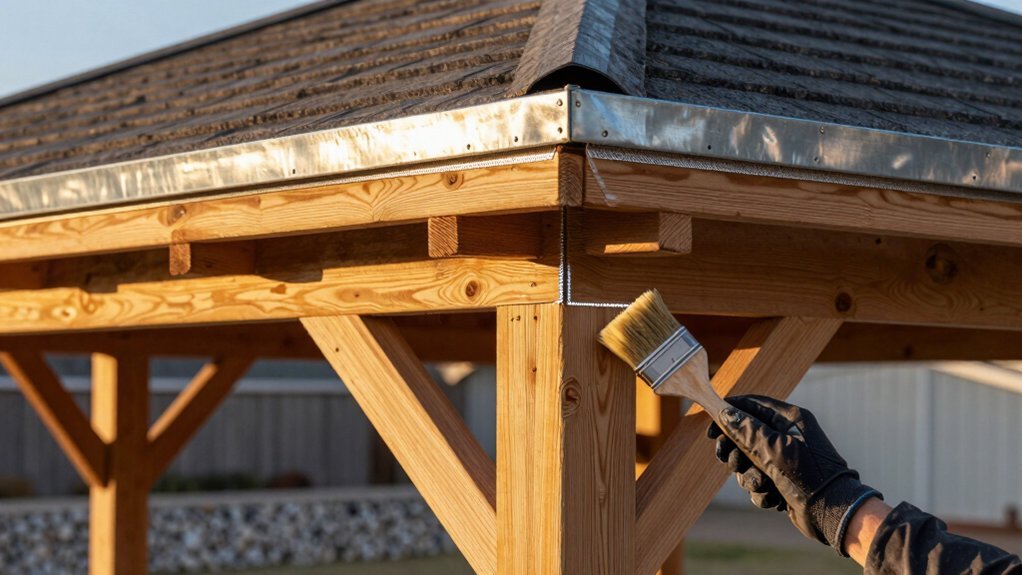
Start with a quick check for wood decay, cracks, and loose joints to nip problems before they spread.
Keep pests and mold at bay by sealing entry points, using EPA-registered treatments as needed, and maintaining ventilation to control moisture.
Trim plants back and dry surfaces after rain to reduce damp, mold-prone areas and protect finishes.
Prevent Wood Decay
Because moisture and pests threaten decay, inspect joints, posts, and the foundation for signs of intrusion or activity. Regular inspections catch moisture intrusion early and help you act fast.
Apply a wood sealant or stain with waterproofing and UV protection to preserve grain and inhibit moisture absorption. Keep surrounding vegetation trimmed back to improve airflow and reduce moisture buildup on gazebo surfaces.
Address leaks or cracks promptly, since even small water entry can lead to rot and invite wood-destroying insects. If you see signs of wood-boring insects, use approved wood preservatives or insecticides and seal entry points to deter infestations. Stay proactive, maintain clear drainage, and reapply protective finishes as needed. Consistent upkeep protects longevity, aesthetics, and your gazebo’s structural integrity tomorrow for years.
Deter Pests and Mold
How can you deter pests and mold in a gazebo?
Regularly inspect for signs of wood-boring insects like termites and carpenter ants, check for frass or chewed wood, and address infestations promptly with EPA-registered pesticides, sealing entry points.
Keep the surrounding area clean and free of debris to deter pests and reduce moisture buildup that attracts insects. Use wood preservatives or insecticides on wooden gazebos and reapply as needed to deter boring insects and extend wood lifespan.
Ensure proper ventilation around the gazebo to prevent mold growth by avoiding overcrowded plantings and allowing airflow under and around the structure. Repair water leaks, seal gaps, and promptly dry any damp areas to minimize mold formation and maintain indoor-outdoor air quality through regular checks and care.
Seal Cracks, Moisture Control
Have you checked for cracks in the wood or joints lately and sealed them promptly to stop moisture from seeping in? Inspect cracks quarterly and repair or seal right away to prevent moisture intrusion and further damage. Apply a UV-protective finish on wooden surfaces annually to minimize moisture absorption and wood splitting. Keep gutters, roof edges, and drainage clear of debris so water doesn’t pool near the foundation and invite moisture problems. Use weatherproofing measures like caulking gaps around joints and applying weather-stripping to doors and entries to minimize moisture ingress. Regularly remove standing water and dry damp areas promptly to deter mold growth and pest attraction. This keeps your gazebo resilient through seasons while protecting furniture and stored items from costly water damage.
Seasonal Maintenance Schedule
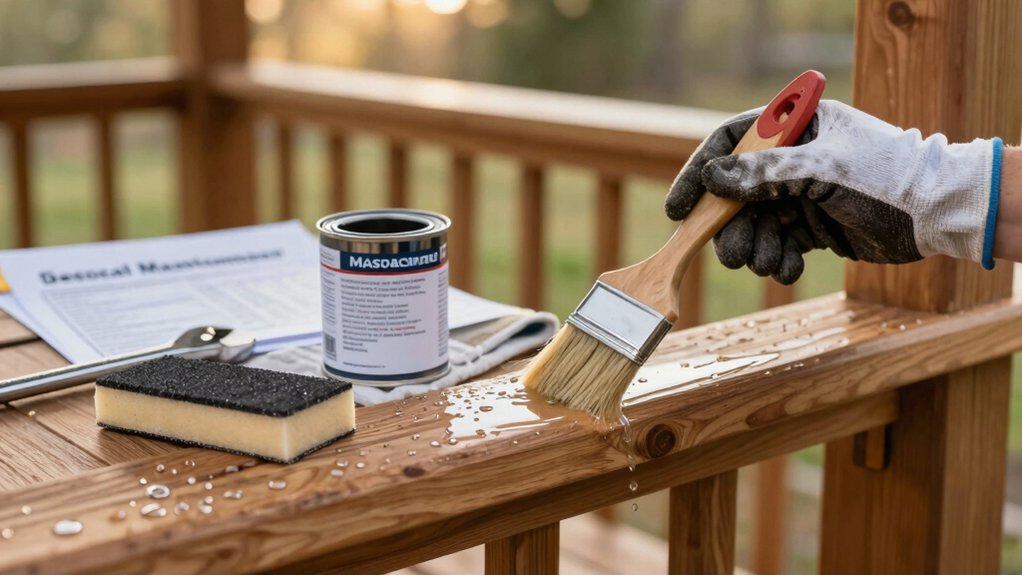
Seasonal maintenance isn’t optional—how will you stay on top of it if you wait until problems appear? Each season, schedule tasks that prep the gazebo for the months ahead.
Seasonal maintenance isn’t optional—plan ahead each season to prep your gazebo.
In spring, inspect for winter damage, clean roof and sides, restain or repaint, and prune surrounding plants to improve air flow.
In summer, add shade with panels or curtains, inspect for pests, treat wood-boring insects, and water flooring to prevent warping.
Come fall, clean and store decor and furniture, inspect the roof for repairs, stain or seal wood, and cover or dismantle if unused.
For winter readiness, remove snow buildup from the roof and ensure you’re properly covered when not in use.
Ongoing, schedule preventive measures ahead of each season to extend longevity and resilience.
DIY Repairs vs. Professional Help
After going through a seasonal maintenance plan, you’ll know what you can handle versus what should be left to a pro. DIY repairs fit simple issues—tightening loose screws, re-sealing small cracks, and applying fresh protective finishes. For complex structural or roof problems, call in professionals to prevent safety risks. Before you start, identify the gazebo’s material (wood, vinyl, metal, or composite) and pick the right tools and products to avoid damage. For wood gazebos, reserve professional help for major rot, insect infestation, or challenges beyond resealing and refinishing. When weatherproofing, use UV-protective stains or sealants on wood; opt for rust-resistant coatings and hardware checks if metal shows corrosion. Always prioritize safety: remove furniture, unplug lighting, and ensure the structure is stable before you begin.
Frequently Asked Questions
How Do I Make My Gazebo Waterproof?
Seal your gazebo with a waterproof sealant or exterior-grade stain, reapply annually. It’ll resist moisture, add UV protection, guarantee ventilation, and check roof for leaks and seal flashing. Clean, repair cracks, and rust-proof metal parts.
How Do You Maintain a Gazebo?
You maintain a gazebo by scheduling inspections, cleaning, tightening loose hardware, and sealing surfaces. Clean wood with mild soap, apply UV finish annually, and recoat vinyl or metal as needed to deter moisture and rust.
Is It Better to Paint or Stain a Gazebo?
It’s about your goals, but you should stain a gazebo if you want grain visibility and maintenance; paint it if you want color and stronger, opaque protection, though it may require repainting in climates anywhere.
How to Winterize a 10X12 Gazebo?
Winterize your 10×12 gazebo by removing snow promptly, sealing cracks, and checking the roof. Store cushions in a spot, cover when not in use, clear gutters, and protect wood with weatherproof sealant before freezing weather.