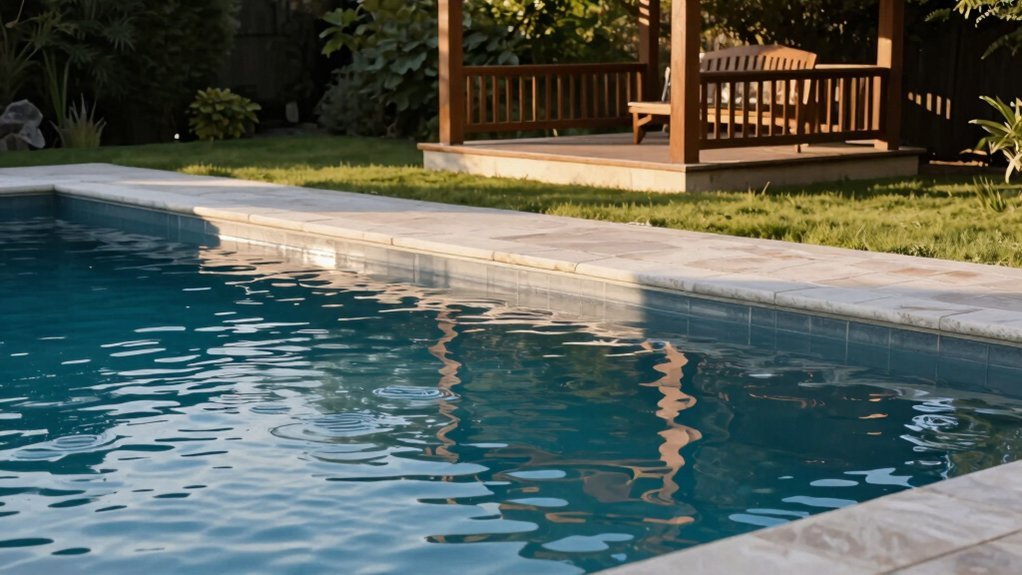
You place the gazebo away from the pool edge to cut water splash and humidity, protect wood and fabric, and boost airflow for a quicker dry after rain. The extra space creates safer, non-slip pathways and easier maintenance, while better drainage reduces runoff toward the deck. A greater setback preserves poolside aesthetics and sightlines and offers design flexibility, from floating to fixed options. There’s more to explore if you keep reading for your space goals.
Minimizing Water Splash and Humidity Exposure
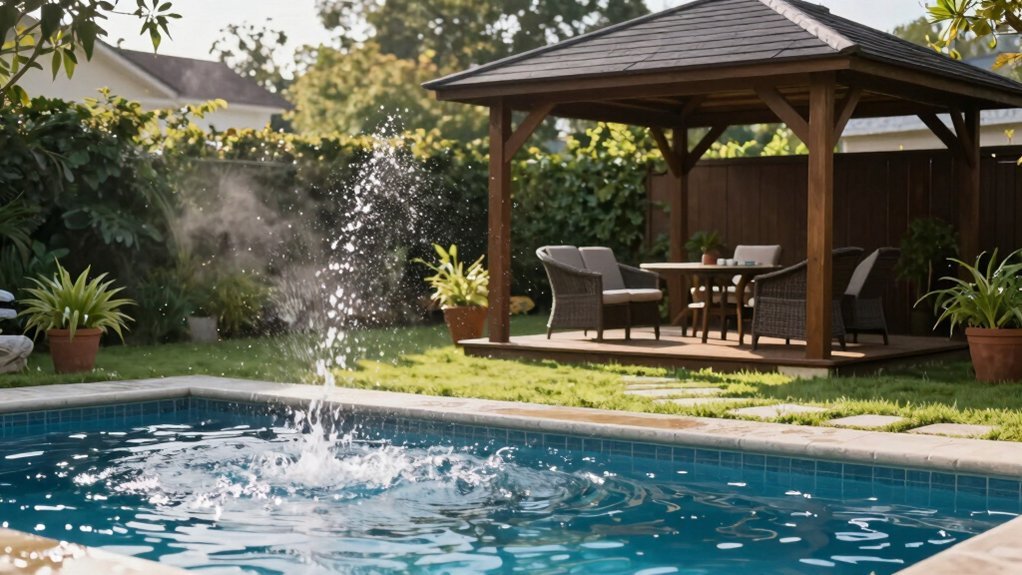
Why position your gazebo away from the pool edges? Because when you place it farther back, water splash and humidity exposure drop, protecting the structure from warp, mold, and rust. You’ll notice better airflow around the gazebo, so it dries faster after rain or pool use. A larger gap also makes drainage planning simpler, cutting the chances of water runoff onto the gazebo’s foundation and fabric. With extra clearance, you reduce safety concerns from slippery surfaces and splash zones, making it easier to access pool equipment and entry points. Plus, the increased distance preserves poolside aesthetics and sightlines while still giving you convenient shade and lounging space. This setup helps you maintain a neat, functional outdoor area you can trust through every season alike.
Reducing Slip Risks Near Pool Edges
Keep gazebo spacing safer by giving guests clear, unobstructed paths away from wet pool edges. Use non-slip surface measures around walkways and the gazebo pad, plus textured or grippy materials for reliable footing. When you separate the structure from the edge, you reduce splash-induced slickness and improve safe access for everyone.
Safer Poolside Spacing
How does keeping a gazebo away from pool edges reduce slip risks?
Keeping a larger buffer cuts water splashes and footprints near the structure, so the floor stays drier and you’re less likely to slip. A greater distance from the pool helps guests maintain footing when entering or exiting the gazebo area, lowering fall risk on slick surfaces. Spacing farther from the edge also lets you move safely around poolside furniture without crowding the wet zone. A wider gap reduces wind-driven water reaching the gazebo floor, and better drainage prevents pooling beneath the structure. Use the rhythm of space to guide setup:
| Zone | Benefit | Result |
|---|---|---|
| Distance from edge | Reduces splashes | Drier surface |
| Movement patterns | Safer footing | Fewer slips |
| Drainage buffer | Prevents pooling | Stable foundations |
Non-Slip Surface Measures
To further reduce slip risks near pool edges, pair the spacing strategy with non-slip surface measures that improve grip when surfaces are wet. A non-slip surface near pool edges reduces slip risk by at least 30% with textured pavers or stamped concrete designed for wet conditions. Installing a dedicated non-slip coating with a high-traction finish (R12–R13) on pool deck surfaces significantly improves grip when surfaces are wet from rain or splashed water. Gaining traction comes from natural-slip materials like brushed concrete, exposed aggregate, or stamped patterns that channel water away. Regular maintenance—clean algae, mold, and mineral deposits from pool-edge surfaces—preserves non-slip performance. Adding edge drainage channels or gutters helps prevent water pooling at the pool perimeter, further reducing slip hazards for safer pool conditions.
Protecting Wood and Fabric From Pool Runoff
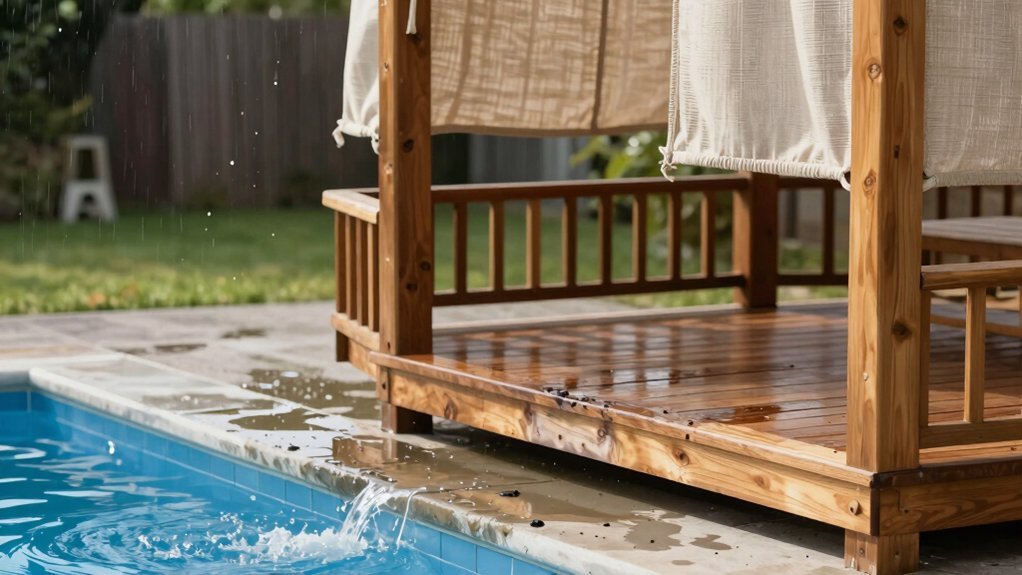
You protect wood by increasing distance from the pool so runoff doesn’t linger and spray chlorinated residues onto joints and boards.
You also shield fabric by reducing exposure to splash and salty mist, helping colors stay vibrant and fibers last longer.
Keep adequate clearance to promote faster drying and minimize moisture-driven issues on both wood and fabric.
Wood Protection From Runoff
Wood and fabric near pool runoff face constant exposure to chlorinated water, humidity, and splashes that can accelerate rot and mildew without proper sealing. To shield wood from runoff, choose moisture‑resistant materials, apply a durable sealant, and recoat regularly. Keep joints protected and divert water away from surfaces to reduce warping and finish degradation. Distancing the structure from edges minimizes splash exposure and the need for frequent maintenance.
| Material | Protection Strategy | Expected Effect |
|---|---|---|
| Wood | Exterior sealer, moisture barriers | Extends life by resisting moisture |
| Composite | UV-stable coating | Reduces fading and cracking |
| Synthetic fabric backing | Breathable sealant | Slows mildew growth |
Fabric Protection Near Pool
Near a pool, how close is safe for fabric and wood? Gazebos inches from a pool require minimal clearance to avoid splashes reaching fabric and wood, increasing moisture exposure and potential warping of components. Proximity to water raises the risk of runoff hitting the canopy, accelerating mold growth on fabric and corrosion of hardware. You should anchor floating or fixed gazebos to resist wind uplift and poolside spray, ensuring stability near water. Choose water-resistant, UV-protected materials to withstand humidity, chlorine, and chemical residues. Design with proper drainage that directs runoff away from the gazebo base, and use weatherproof gaps to prevent water pooling on the roof. Prioritize access and ventilation to protect fabrics and wood. Keep maintenance regular to spot issues before damage occurs.
Enhancing Airflow for a Calm Retreat
How does moving a gazebo away from the pool edges boost airflow and create a calmer retreat? You’ll notice air circulates more freely around the structure, reducing humidity buildup and speeding surface drying after rain or splashes. A farther distance from the water keeps heat and moisture transfer down, making the area cooler and more comfortable. With more separation, fabrics and wooden components face less wear from splashed water, helping them last longer. A buffer distance also works with surrounding landscaping and trees, inviting a calmer, wind-assisted breeze instead of stagnant air. Plus, separating the gazebo from the pool cuts clutter in poolside routes, giving you unobstructed pathways and a tranquil lounging zone.
- Air circulates, damp pockets drop.
- Heat transfer lessens.
- Paths stay clear.
Safer Ingress and Egress With Clear Pathways
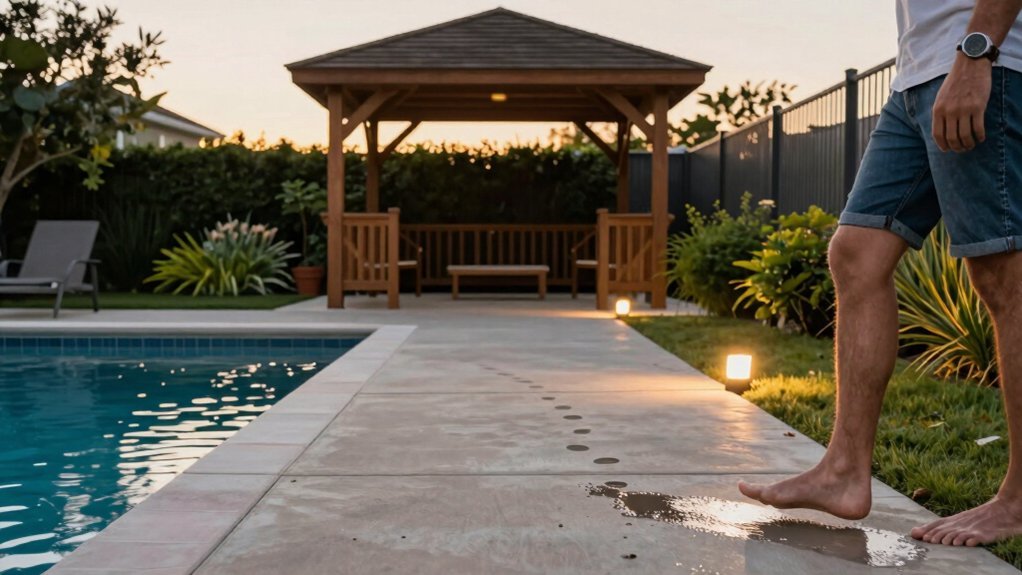
Building on the airflow benefits, giving the gazebo several feet of separation from the pool creates safer ingress and egress by keeping wet, slippery areas away from entry and exit points.
With pathways, you reduce slip hazards and ensure movement for everyone. A minimum clearance helps keep splash and moisture from reaching the gazebo, protecting framing and fabric. Distancing the structure also creates a dedicated, non-slip walkway and furniture arrangement, improving access for pool users and loungers. Adequate spacing supports better circulation, lowering humidity and mold risk near materials. A clear gap between pool and gazebo aligns with safety guidelines, minimizing entrapment during emergencies.
Table:
| Benefit | Result |
|---|---|
| Clear path | Safer egress |
| Non-slip surface | Fewer slips |
| Better airflow | Lower humidity |
| Easy access | Safety |
Better Drainage and Water Management
Why position a gazebo away from the pool edge for drainage? You reduce splash and runoff onto the structure, preventing water pooling on the gazebo base or decking. Keeping distance from the pool minimizes moisture exposure to components, lowering corrosion risk for metal frames and warping for wood. A displaced layout improves air circulation and speeds drying of surrounding ground, cutting mold and mildew on the gazebo and pool area. Separating the gazebo from the edge keeps clear access for maintenance, cleaning, and safe movement during rain. Plus, the distance lets you install gutters, downspouts, and French drains without fighting pool drainage systems. Here’s what that enables:
Place the gazebo away from the pool to prevent splash, speed drainage, and reduce moisture.
1) Dedicated drainage channels that won’t conflict with pool systems
2) Faster ground drying and reduced mold
3) Clear maintenance access during rain. This planning now prevents costly reshaping later.
Preserving Poolside Aesthetics and Views
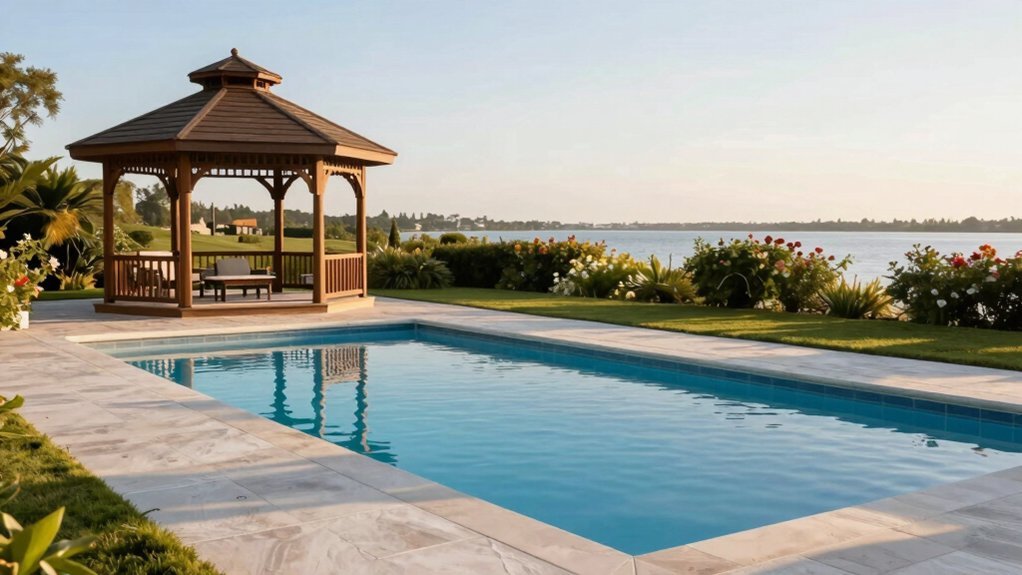
Keeping gazebos set back from the pool edge preserves the area’s look and feel by preventing clutter near water features and maintaining clear sightlines around the deck. You preserve poolside aesthetics by minimizing visual noise, so water features and the surrounding design read cleanly. Distance also shields materials from splashed rain, chlorine drift, and moisture, boosting long‑term durability.
With more setback, you gain easier pool access and safer movement around the deck, free from posts or shading elements blocking sightlines. It helps keep water and deck surfaces cleaner by reducing debris and splashes that nearby structures can trigger. Plus, distance aligns with safety and zoning guidelines that call for minimum setbacks to ensure safe egress and maintenance. You’ll notice the effect on enjoyment too.
Compliance With Local Setback Regulations
Where you place a gazebo is governed by local setback rules that dictate how far it must sit from property lines, often around 15 feet but sometimes as little as 4 feet. To stay compliant, you’ll need to check municipal codes or homeowner associations because rules vary by jurisdiction and can affect whether you can attach a gazebo to a house. Distances protect fire safety, egress, and neighbor sightlines, influencing whether the gazebo can sit directly adjacent to or near a pool. Permits may be required for attaching to a house or for large freestanding structures, so verify with your building department. Failing to observe setbacks leads to fines, relocation, or modification to meet rules.
- Check codes.
- Confirm attachment.
- Secure permits.
Flexible Design Options: Farther Placement, Floating or Fixed
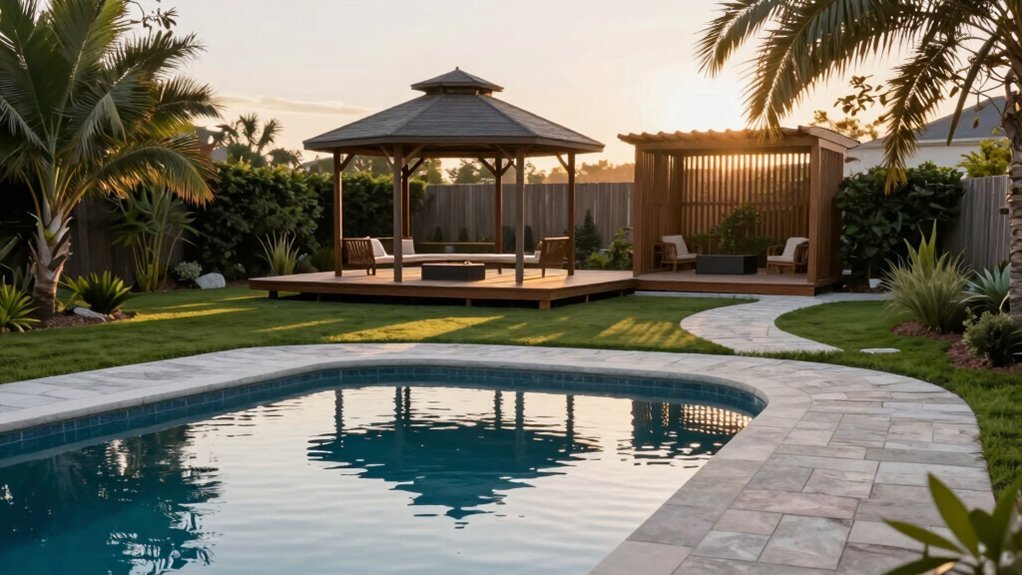
Building on setback guidance, you can broaden your design options by placing the gazebo farther from the pool and choosing between floating decks or fixed structures.
Farther distance reduces splash and moisture exposure, helping preserve materials over time. It also creates a calmer, retreat-like atmosphere by avoiding poolside bustle and glare.
With the gazebo distant from the water, you’ll improve supervision and flow by minimizing safety conflicts and sightline blockages to pool access. Distance also supports better drainage planning around the gazebo, lowering standing water and ground erosion from runoff.
A wider gap unlocks flexible design choices, including floating decks that court landscaping or fixed structures that integrate with plantings rather than crowding the pool edge. This approach keeps maintenance simple and access intuitive.
Frequently Asked Questions
What Are Common Gazebo Mistakes?
You make these gazebo mistakes: placing it too close to water, ignoring drainage, don’t anchor in wind-prone areas, skimping on bolts, enclosed sides that trap heat, poor crowd flow, and skipping permits or safety rules.
Where Should a Gazebo Be Placed in Your Yard?
Place your gazebo in a spot with sightlines, away from pools and edges. Leave room for furniture, shade, and airflow, and don’t put it under low branches, flood-prone zones, or overhead power lines for safety.
Can I Put a Gazebo Over My Pool?
You can’t safely put a gazebo over a pool; you need a solid, rated structure with clearance, drainage, and anti-splash design. Consider placing it beside, not above, the pool, with bolting and weatherproof framing properly.
How Close Can Something Be to a Pool Fence?
You should keep a safe clearance from the pool fence, typically about 5 to 20 feet, to maintain access, reduce slip risks, and stay compliant with codes and HOA rules in your area for safety.