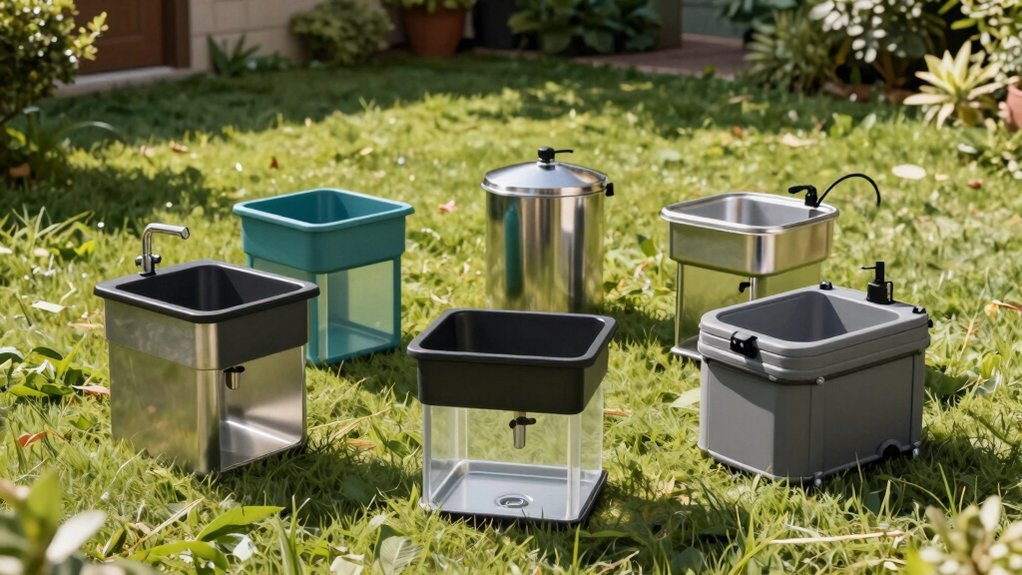
You’re setting up a remote backyard oasis and need a sink that works without a permanent water line. Imagine a compact unit that stores its own water, pumps it with a foot‑press, and even heats it for quick washes. The right model can keep your space tidy, save you trips to the hose, and stay durable against the elements. Let’s compare the top five options and see which one fits your setup best.
| SereneLife Portable Hand Washing Station – Hands-Free Foot Pump |  | Best Overall | Water Capacity: 30 L (≈7 gal) tank | Pump Mechanism: Hands‑free foot pump | Drain Type: Lift‑and‑turn grid drain, 2 holes | CHECK ON AMAZON | Read Our Analysis |
| Concession Portable Hand Wash Sink with Hot Water | 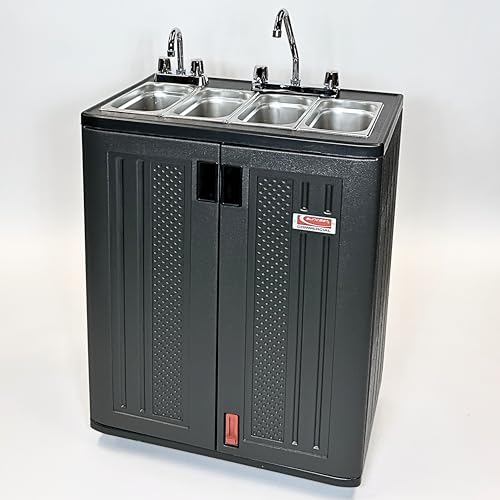 | Pro‑Grade Choice | Water Capacity: 5 gal fresh + 2.5 gal hot water tank | Pump Mechanism: Electric pump (hot‑water heater) | Drain Type: Grid drain with basket strainer | CHECK ON AMAZON | Read Our Analysis |
| Portable Sink Patented Wash Station – 2 Gallons Indoor/Outdoor Use | 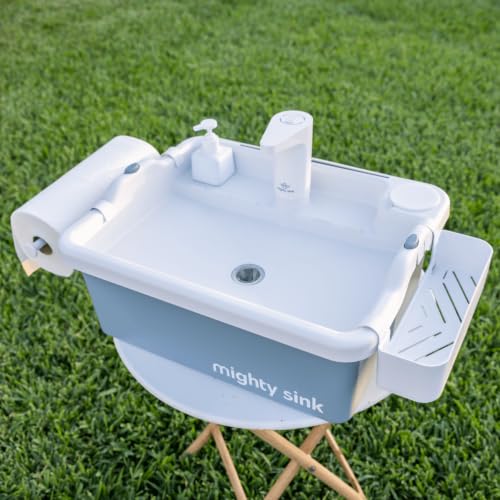 | Compact Champion | Water Capacity: 2 gal tank | Pump Mechanism: Electronic faucet (button‑activated) | Drain Type: Grid drain, 1 hole | CHECK ON AMAZON | Read Our Analysis |
| SereneLife Portable Hand Washing Station 100+ Washes | 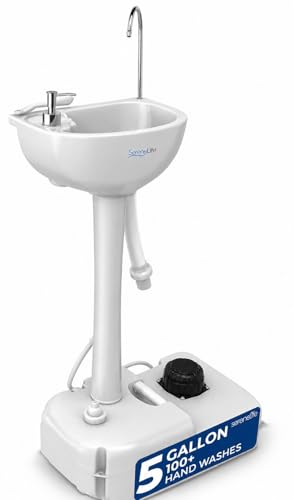 | Hands‑Free Hero | Water Capacity: 5 gal (≈19 L) tank | Pump Mechanism: Hands‑free foot pump | Drain Type: Flexible drainage hose, lift‑and‑turn | CHECK ON AMAZON | Read Our Analysis |
| Ozark River Titan PRO Portable Outdoor Sink with Hot Water |  | Hot‑Water Specialist | Water Capacity: 5 gal fresh + 6 gal waste tank | Pump Mechanism: Electric pump (plug‑in) | Drain Type: Grid drain, 2 holes | CHECK ON AMAZON | Read Our Analysis |
More Details on Our Top Picks
SereneLife Portable Hand Washing Station – Hands-Free Foot Pump
Looking for a hassle‑free hand‑washing solution that won’t weigh you down on a remote backyard project? You’ll love the SereneLife Portable Hand Washing Station. Its 30‑liter HDPE tank holds enough water for over 100 washes, and the hands‑free foot pump delivers a steady 220 ml flow each press. The fold‑up handle and rugged wheels make transport a breeze, while the weather‑resistant construction endures sun and rain. You get a wash basin, 5‑liter soap dispenser, drain hose, towel holder, and spare parts—all in a compact 16.5″ × 28.3″ × 31.5″ footprint. Pair it with a portable toilet or extra tank for endless convenience.
- Water Capacity:30 L (≈7 gal) tank
- Pump Mechanism:Hands‑free foot pump
- Drain Type:Lift‑and‑turn grid drain, 2 holes
- Portability (Wheels/Handle):Rugged wheels + foldable handle
- Material (Body):High‑density polyethylene (HDPE)
- Soap Dispenser:Integrated 5 L soap dispenser
- Additional Feature:30‑liter water tank
- Additional Feature:Foldable handle for transport
- Additional Feature:Weather‑resistant HDPE construction
Concession Portable Hand Wash Sink with Hot Water
Who needs a self‑contained hand‑washing station that delivers hot water on the spot? You get the Concession Portable Hand Wash Sink, a 4‑compartment, stainless‑steel unit that combines a 2.5‑gallon electric heater (50°‑140°F) with a 5‑gallon fresh‑water tank and a larger waste tank for multiple cycles. Two gooseneck faucets—12″ high‑rise and 6″ standard—feed separate basins for washing, rinsing, sanitizing, and handwashing. It ships fully assembled, stands freestanding, and sets up in about ten minutes. At 85 lb and 20″ × 30″ × 36″, it fits food trucks, festivals, or outdoor kitchens, and includes a 30‑day Amazon return guarantee.
- Water Capacity:5 gal fresh + 2.5 gal hot water tank
- Pump Mechanism:Electric pump (hot‑water heater)
- Drain Type:Grid drain with basket strainer
- Portability (Wheels/Handle):Freestanding cabinet, wheels not specified
- Material (Body):Stainless steel (base) + HDPE components
- Soap Dispenser:No built‑in dispenser (external)
- Additional Feature:Built‑in 2.5‑gal electric heater
- Additional Feature:Four‑basin compartment layout
- Additional Feature:Stainless‑steel gooseneck faucets
Portable Sink Patented Wash Station – 2 Gallons Indoor/Outdoor Use
If you need a compact, ready‑to‑use sink that works anywhere from a backyard garden to a campsite, the 2‑gallon Portable Sink Patented Wash Station is the answer. Its 21 × 17 × 8‑inch footprint fits tight spaces, while the built‑in 2‑gallon water tank lets you wash dishes, tools, or pottery without plumbing. Press the electronic faucet for steady flow; a 10‑second auto‑stop conserves water. The sloped base and tube anchor boost suction, and the brushed polypropylene construction resists wear. Weighing 14 lb, it’s freestanding with a grid drain and one‑year faucet warranty. Clean it with a damp cloth, sponge, and soap for lasting performance.
- Water Capacity:2 gal tank
- Pump Mechanism:Electronic faucet (button‑activated)
- Drain Type:Grid drain, 1 hole
- Portability (Wheels/Handle):Freestanding, no wheels, lightweight handle
- Material (Body):Polypropylene (brushed finish)
- Soap Dispenser:Included soap dispenser (part of accessories)
- Additional Feature:Electronic faucet with auto‑stop
- Additional Feature:Recyclable cardboard packaging
- Additional Feature:Built‑in shelving for accessories
SereneLife Portable Hand Washing Station 100+ Washes
The SereneLife Portable Hand Washing Station, with its 5‑gallon (19 L) built‑in water tank, is perfect for anyone who needs a reliable, hands‑free hygiene solution at remote backyard gatherings, camping trips, or work sites. You’ll get 180 ml of water per foot‑pump step, keeping your hands clean without touching any surfaces. The 3‑liter soap dispenser mixes with the flow, and the stainless‑steel towel holder lets you dry quickly. Its compact frame, carry handle, and flexible drainage hose make transport and setup a breeze. Minimal tools are required, and you can enjoy over 100 washes before refilling.
- Water Capacity:5 gal (≈19 L) tank
- Pump Mechanism:Hands‑free foot pump
- Drain Type:Flexible drainage hose, lift‑and‑turn
- Portability (Wheels/Handle):Carry handle, lightweight
- Material (Body):HDPE (white)
- Soap Dispenser:Integrated 3 L liquid soap dispenser
- Additional Feature:Integrated stainless‑steel towel holder
- Additional Feature:3‑liter liquid soap dispenser
- Additional Feature:Compact carry handle
Ozark River Titan PRO Portable Outdoor Sink with Hot Water
Looking for a self‑contained hand‑washing station that delivers hot water without a permanent hookup? The Ozark River Titan PRO gives you a 5‑gal fresh‑water tank, a 6‑gal waste tank, and on‑demand hot and cold water from a single 110 V plug. Its ABS countertop, stainless‑steel basin, and UV‑resistant HDPE doors hold up to outdoor wear, while the ADA‑compliant faucet and top‑fill soap dispenser keep hygiene simple. Smooth‑rolling, locking wheels and side grips let you move it around a backyard or campsite with ease. NSF‑certified, pre‑assembled, and backed by a one‑year warranty, it’s ready for RVs, tiny homes, or disaster‑relief setups.
- Water Capacity:5 gal fresh + 6 gal waste tank
- Pump Mechanism:Electric pump (plug‑in)
- Drain Type:Grid drain, 2 holes
- Portability (Wheels/Handle):Locking wheels + side handle
- Material (Body):ABS countertop, stainless steel faucet, UV‑resistant HDPE doors
- Soap Dispenser:Built‑in top‑fill soap dispenser
- Additional Feature:NSF‑certified health compliance
- Additional Feature:Hot & cold on‑demand water
- Additional Feature:110 V plug‑in operation
Factors to Consider When Choosing Portable Outdoor Sinks With Water Tanks for Remote Backyard Setups
When you compare sinks, start by checking tank capacity to guarantee it meets your water‑use needs. Next, evaluate the pump mechanism type, material durability, and portability features to match your backyard’s terrain and storage limits. Finally, look at the drainage system design so you can empty and clean the unit without hassle.
Tank Capacity
How many washes can you realistically expect before refilling? A 5‑gallon tank gives you roughly 30–40 quick hand washes, while a 30‑liter (7 + gallon) model pushes that to 100+ washes. Larger fresh‑water tanks cut refill trips, but they add weight and a bigger footprint—important if you’re moving the sink around your yard. Some units bundle a separate wastewater tank, often larger than the fresh tank, so you can store used water without constant disposal, easing maintenance and reducing site cleanup. When planning, match tank size to your expected wash count: a 30‑liter fill should sustain a busy weekend of guests, whereas a 5‑gallon tank suits occasional use. Also, confirm the sink operates self‑contained, without external hookups, to guarantee uninterrupted service in remote setups.
Pump Mechanism Type
What pump mechanism you choose will dictate how quickly and efficiently water flows from your tank to the faucet. Foot‑pump designs give you a steady 180–220 ml per step, letting you control flow manually without electricity. Electric pumps, often 110 V, deliver hot or cold water on demand and can run continuously with built‑in tanks, but you’ll need a reliable power source. Grid or drain‑based systems let you empty the tank fast via flexible hoses or fixed drains, ideal for quick clean‑ups. Look for auto‑stop features that shut the pump after 2–10 seconds, which curb waste and improve efficiency. Match the pump type to your setup: gravity‑oriented sinks work with manual or foot pumps, while high‑flow or temperature‑controlled stations require electric power and dedicated outlets.
Material Durability
A sturdy sink that can survive sun, rain, and rough terrain starts with the right material—HDPE or stainless steel are the go‑to choices because they resist UV degradation, corrosion, and impact. When you pick HDPE, you get a lightweight, non‑porous shell that won’t crack under temperature swings, and its polished or brushed finish adds a layer of protection against scratches. Stainless steel, especially when brushed or polished, offers superior strength and a rust‑free surface that holds up to constant water exposure. Both materials pair well with 5‑plus‑gallon tanks, keeping the unit watertight and leak‑free during transport. Look for reinforced seams and sturdy drain hose connections, as these details prevent cracks and extend the sink’s lifespan in a demanding backyard environment.
Portability Features
Durability matters, but once you’ve nailed the right material, the next step is ensuring the sink moves as easily as it stands up. You’ll want a unit that balances weight and maneuverability—models range from a feather‑light 14 lb to a sturdier 120 lb, so consider how often you’ll relocate it. Built‑in wheels and foldable handles are a must; they let you roll the sink across grass or gravel without straining your back. Look for quick‑setup, freestanding designs that require minimal tools, because every minute saved translates to more time enjoying your backyard. A larger water tank—2 to 5+ gallons, or even 7+ gallons for extended use—means fewer refills, but keep in mind the added bulk. Self‑contained systems let you operate off‑grid, so you won’t need external plumbing to keep things flowing.
Drainage System Design
When you set up a portable outdoor sink, the drainage system determines whether wastewater disappears smoothly or creates a mess. Choose a flexible drain hose that connects securely to an outlet—whether a portable toilet, extra tank, or garden drain. Look for grid or lift‑and‑turn drains, and consider models with multiple holes or a non‑overflow design to keep flow steady. Gravity‑driven units work well if you can position the sink lower than the disposal point; otherwise, pick a pump‑assisted system for flexibility. Ensure the wastewater line stays separate from the fresh‑water tank to avoid cross‑contamination and extend intervals between emptying. Opt for removable drain components, pre‑installed traps, and easy‑access hoses to cut setup time and prevent leaks while you work outdoors.
Soap Dispenser Integration
The drainage setup you’ve chosen will dictate how cleanly waste exits, and it also determines how you’ll supply soap without creating extra clutter. When you pick a sink, check whether the soap dispenser is built in or separate. Integrated units often hold 3 L of liquid, which keeps everything compact but means you’ll need to refill and clean the dispenser without taking the sink apart. Separate dispensers can be larger—up to 5 L—and may sit on a nearby shelf, giving you more capacity but adding another piece to manage. Hands‑free or foot‑pump delivery boosts hygiene, especially in a backyard where kids play. Remember, a dedicated dispenser can affect overall water usage; every rinse consumes fresh water from your tank, so choose a capacity that matches your refill schedule and waste‑management plan.
Power Requirements
Ever wondered how much power your portable sink will actually need? If you pick a hot‑water model, expect a 110 V outlet for the heater or electric pump, which ties you to a stable power source. Manual or foot‑pump units dodge this requirement, giving you more flexibility away from sockets. Larger built‑in tanks—5 to 7 + gallons—can smooth refill intervals but still demand reliable electricity to run heating and pumping cycles without interruption. Self‑contained systems often carry dedicated warranties, yet they rely on uninterrupted power, so plan for a generator or nearby outlet. Before you set up, match the sink’s wattage and voltage needs with what your backyard can supply to keep hot water flowing and the sink functional.
Weather Resistance
Power considerations aside, the next factor you’ll face is how well the sink endures the elements. Look for HDPE or stainless‑steel bodies; they shrug off UV rays, rain, and mud without warping. Lightweight, rugged frames with foldable handles or wheels let you move the unit while keeping it stable on uneven ground. Choose a sealed or semi‑sealed tank to block contaminants and curb evaporation when the sun beats down. Polished or brushed finishes, plus corrosion‑resistant fittings, fight rust and humidity over seasons. Finally, inspect the drain hose and connections—durable, leak‑proof components prevent clogs and bursts that cold snaps or heavy storms could exacerbate. These details keep your portable sink reliable year‑round.
Frequently Asked Questions
Can I Connect a Solar Panel to Power the Pump?
Yes, you can hook a solar panel to the pump; just match voltage and amperage, use a charge controller, and ensure the panel’s output meets the pump’s power draw for reliable operation.
How Often Should I Sanitize the Water Tank?
You should sanitize the tank every 4‑6 weeks, especially after heavy use or rain. Clean it with a diluted bleach solution, rinse thoroughly, and let it dry before refilling to keep water safe.
What Is the Maximum Temperature the Hot‑Water System Can Reach?
You’ll find most hot‑water systems cap at about 140 °F (60 °C); some high‑performance units push to 150 °F (65 °C). Check the specs, but avoid exceeding those limits to prevent damage.
Can the Sink Be Mounted on a Rolling Cart?
Yes, you can mount the sink on a rolling cart; the design includes pre‑drilled brackets and a sturdy base, letting you secure it quickly and move it wherever you need water access.
Do These Units Meet OSHA Hand‑Washing Standards?
Yes, they meet OSHA hand‑washing standards; you’ll find 20‑liter capacity, temperature‑controlled water, soap dispensers, and hands‑free faucets that satisfy the 15‑second wash and flow‑rate requirements.